
Polar Expeditions
Explore Antarctica, the Arctic and Greenland, with extraordinary ice formations, wildlife encounters and specialist expedition teams.

Explore Antarctica, the Arctic and Greenland, with extraordinary ice formations, wildlife encounters and specialist expedition teams.
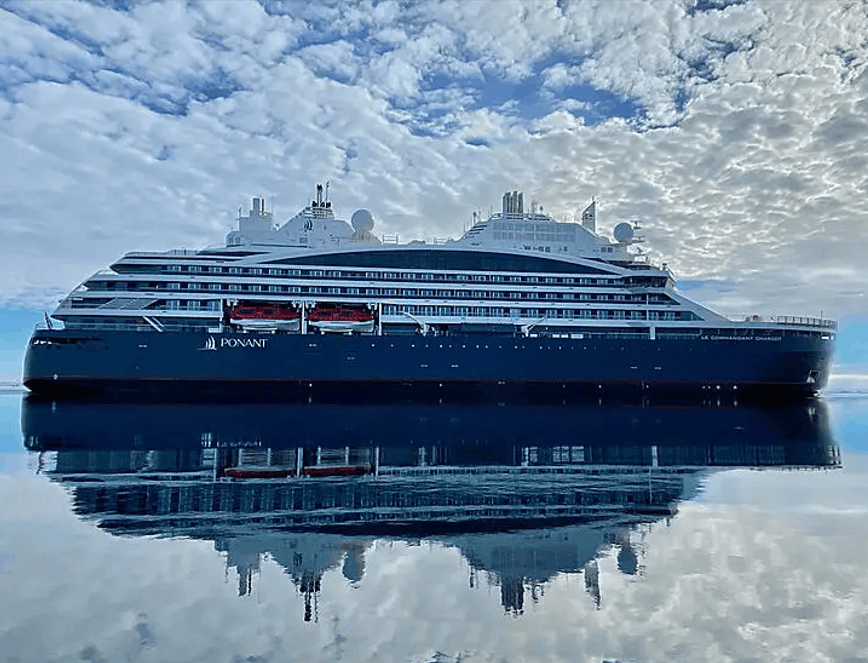
Discover remote coastlines aboard purpose-built small ships, with guided shore landings and opportunities to explore beyond the vessel.
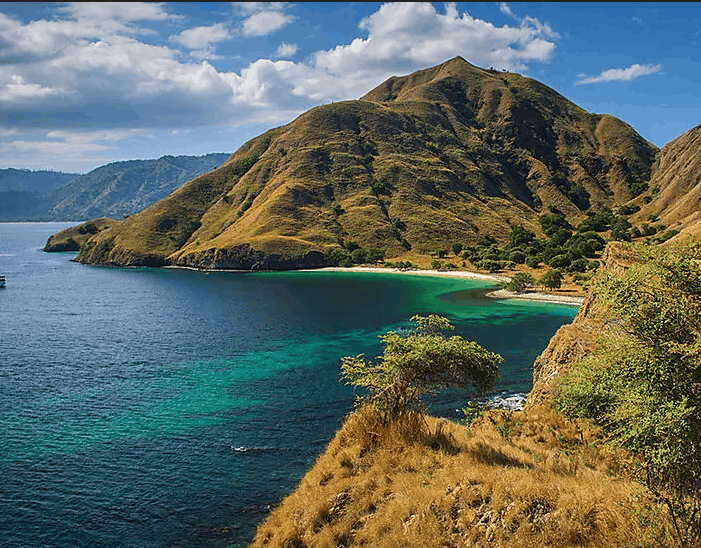
Journey through remote landscapes, protected areas and distinctive cultures with arrangements shaped around your interests.
Expedition travel offers a rare opportunity to discover places far beyond conventional itineraries. Antarctic glaciers, Arctic archipelagos, volcanic landscapes and remote islands invite a different kind of exploration, defined by observation, discovery and a deeper understanding of the natural world.
Unlike a traditional cruise or sightseeing journey, an expedition often follows a flexible itinerary. Shore landings, time spent exploring and the order of destinations may change according to weather, sea conditions, ice movements and environmental regulations.
Yana Luxury Travel helps guests select destinations and expedition programmes according to their interests, accommodation preferences, travel companions and the practical demands of each journey.
Antarctica offers immense ice landscapes, penguin colonies, seabirds and opportunities to observe seals and whales in their natural surroundings. Most classic expeditions explore the Antarctic Peninsula, while extended itineraries may include South Georgia and the Falkland Islands.
The Arctic reveals a very different world. Svalbard is known for its High Arctic landscapes, walruses, birdlife and other wildlife. Greenland offers dramatic fjords, glaciers, icebergs and encounters with the cultural heritage of local communities.
Remote islands and coastlines provide opportunities for discovery beyond the polar regions. Selected South Pacific islands, Papua New Guinea and the Kimberley region of northwestern Australia feature in specialist expedition itineraries.
Each destination has its own travel season, access considerations and approach to exploration.
Modern expedition ships make it possible to explore remote waters while enjoying a high standard of accommodation and service. Depending on the vessel, facilities may include spacious suites, restaurants, lounges and wellness areas.
Yet the distinction between an expedition ship and a conventional cruise liner goes well beyond the accommodation. The vessel's suitability for a particular region, the expertise of the expedition team, equipment for shore landings and arrangements for guided activities are equally important.
Selected programmes operated by PONANT and Seabourn, for example, feature excursions by small expedition boats, guided walks and presentations by specialists in natural history and the regions being visited.
We help compare not only suites and onboard facilities, but also vessel characteristics, expedition arrangements, landing procedures and the services included in each programme.
One of the most rewarding aspects of expedition travel is discovering remote regions alongside people with specialist knowledge of their wildlife, landscapes and history.
Expedition teams may include naturalists, biologists, ornithologists, geologists and polar experts. Their role extends from lectures and daily briefings to guiding shore visits and interpreting the natural environment.
Depending on the destination, activities may include small-boat excursions, guided walks, birdwatching, marine wildlife observation, photography sessions and visits to local communities.
All activities are subject to weather conditions, protected-area regulations and the expedition leader's decisions. Specific wildlife sightings and landings cannot be guaranteed.
Seasonality is particularly important when planning polar travel.
The Antarctic expedition season generally runs from November to March, during the Southern Hemisphere's summer. Early-season journeys often feature extensive snow and ice, while navigation conditions and wildlife activity change as the season progresses.
Many Arctic itineraries, including those visiting Svalbard and Greenland, operate between May and September. The precise season and access to individual areas depend on regional conditions and sea ice.
In tropical and subtropical regions, planning is influenced by different factors, including monsoons, rainfall, sea conditions and access to particular destinations.
The right departure date depends not only on the weather but also on whether your priority is wildlife, photography, natural phenomena or exploring specific regions.
Yana Luxury Travel has been creating individual journeys since 1994, with careful attention to each client's preferences and the details of their travels.
We help select destinations, compare expedition programmes, choose suitable onboard accommodation or land-based arrangements, and coordinate international flights, transfers and additional stays.
For scheduled expeditions, we work within the operator's departure dates and programme conditions. Where an independently arranged itinerary is possible, we explore opportunities to shape the journey around individual interests.
Our clients have access to 24/7 travel assistance. Decisions concerning navigation, safety and expedition activities remain with the captain, expedition leaders and operating partners.
Tell us about your wishes — your personal travel specialist will prepare a proposal tailored to you
Expedition travel focuses on exploring natural environments, observing wildlife and taking part in expert-led shore activities. Itineraries may change according to weather and local conditions. Conventional cruises generally follow more fixed port schedules and place greater emphasis on the onboard holiday experience.
The principal expedition season runs from November to March. The best month depends on the itinerary and the natural experiences you hope to enjoy. Weather, landings and wildlife sightings cannot be guaranteed.
Comfort varies by vessel and operator. Some expedition ships feature spacious suites, refined dining, spa facilities and attentive service alongside the equipment and specialist teams required for remote exploration.
Not every programme requires specialist fitness, but sufficient mobility may be needed for boarding small boats, shore landings and walking over uneven terrain. Participation requirements should always be confirmed before booking.
It depends on the destination and travel format. Scheduled expedition voyages follow operator-defined programmes, although accommodation and additional travel arrangements can be personalised. Certain land-based journeys offer greater itinerary flexibility.
We assist with choosing destinations and operators, comparing programmes, arranging accommodation, flights, transfers and additional services. Included activities, equipment and permits vary by expedition. Our team provides 24/7 travel assistance throughout the journey.
Message us:


Or call us: